

The Emotion Machine is a website dedicated to all things self-improvement in the 21st century. Become a member today for instant access to hundreds of articles, quizzes, and worksheets!
Life-Changing Articles

How Aesthetic Chills Boost Feelings of Acceptance, Inspiration, and Meaning

2024 World Happiness Rankings: USA Falls Out of Top 20, Youngest Hit Hardest

Emotions Are Weakness: 5 Maladaptive Beliefs That Lead to Emotional Dysfunction
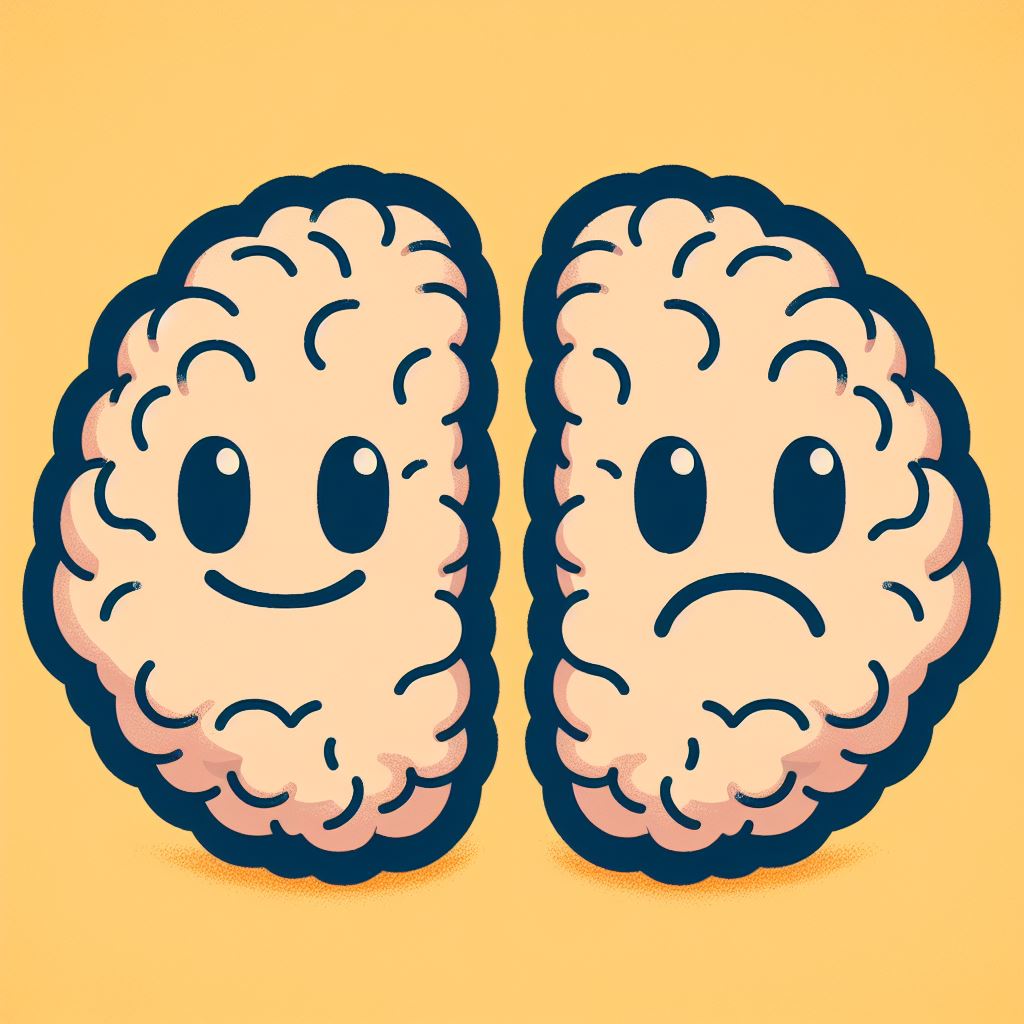
Rumination vs. Savoring: The Neural Dynamics Between Positive and Negative Thinking

Positive Psychology Tools Are Most Effective For Those Who Practice Long-Term

The Domino Effect of Overcoming Your Fears One At A Time

The Narcissistic Culture of “Image” and Excessive Self-Monitoring
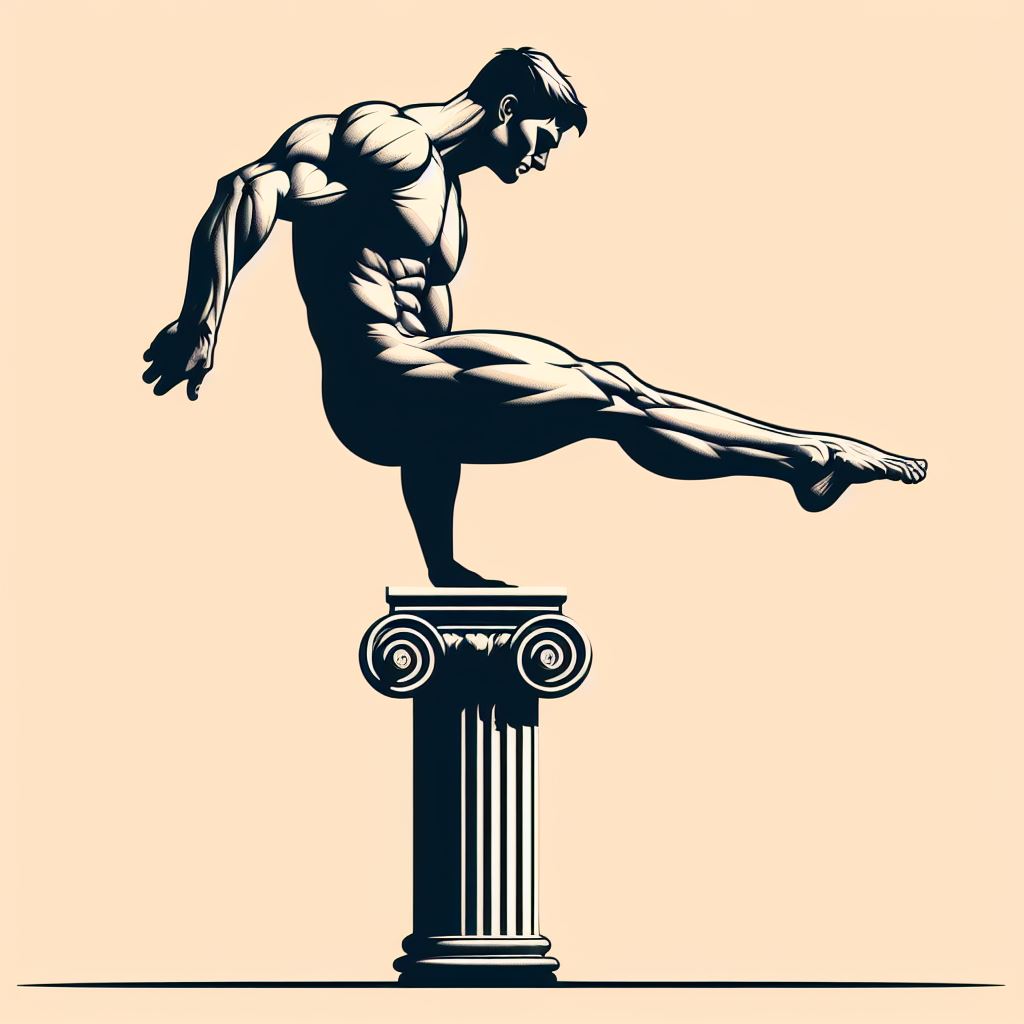
6 Aspects Of A Balanced Person: A Complete Picture of Well-Being

The Immovable Mind: Schopenhauer’s Daily Routine For 27 Years
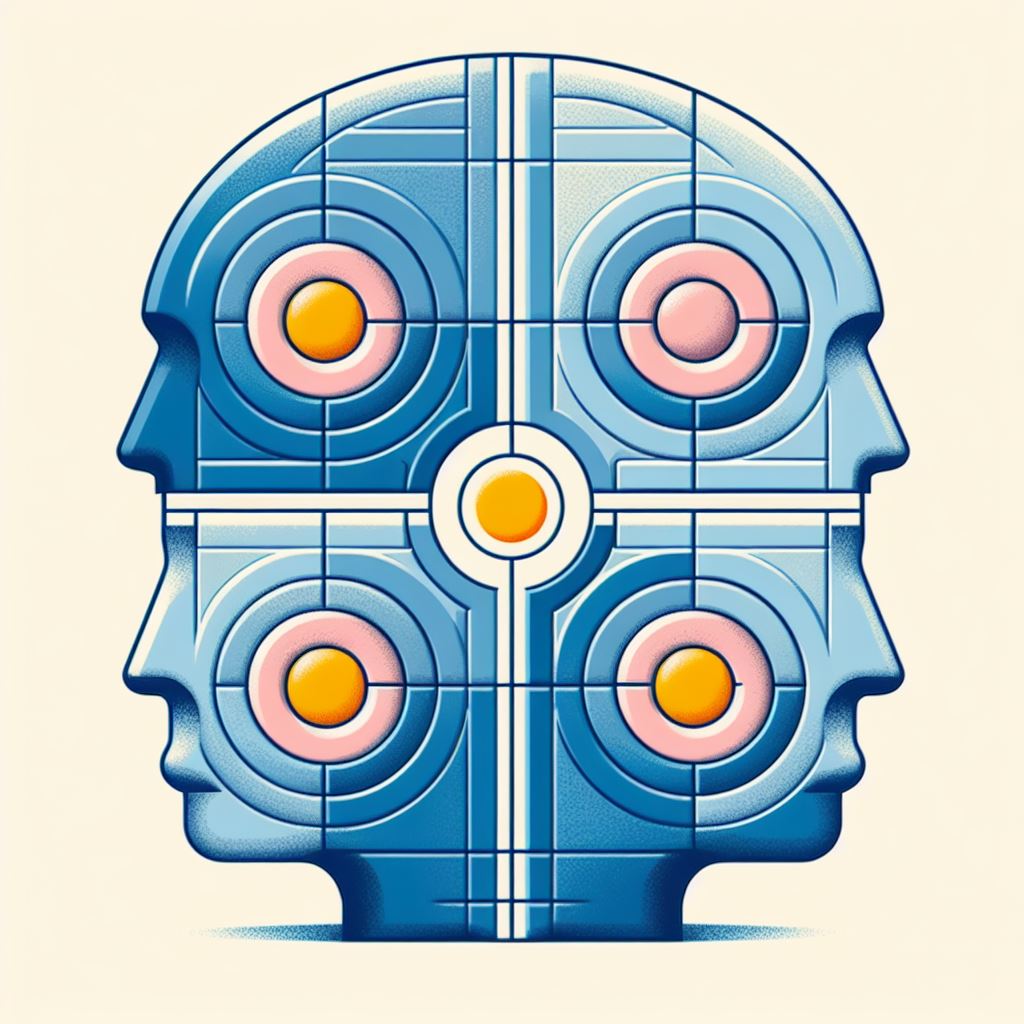
4 Fundamental Pillars of Emotional Intelligence
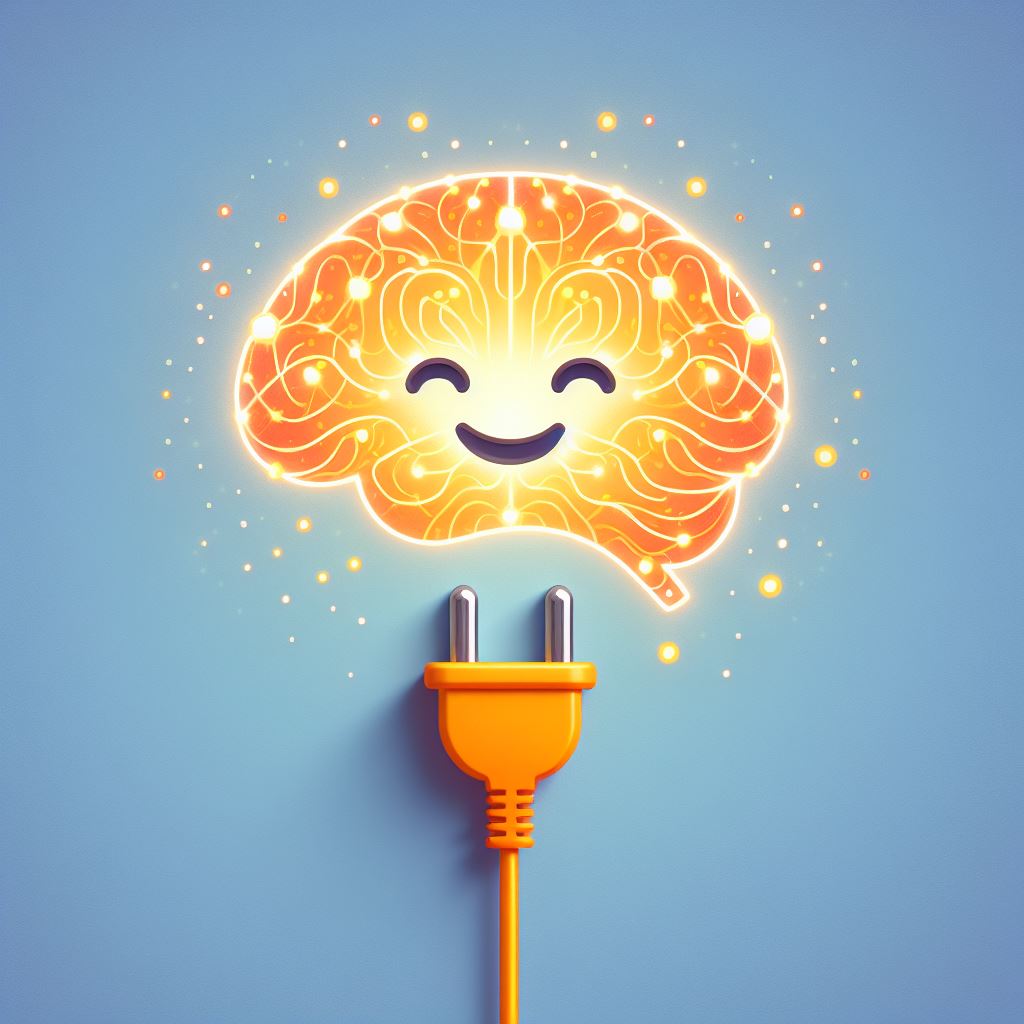
100+ Happiness Hacks for Boosting Your “Feel-Good” Chemicals
Explore more articles here
Practical Step-by-Step Worksheets

Positive vs. Negative Self: A Dialogue (PDF)

Future Self Worksheet (PDF)

Burn Away Negative Beliefs (PDF)

Daily Routine Worksheet (PDF)

Past Relationships Worksheet (PDF)
Check out more worksheets here
Insightful Quizzes

Happiness Quiz: What Is Your Overall Level of Life Satisfaction?

Social Anxiety or Shyness Quiz: What Do You Score?

Big Picture vs. Detail Oriented Thinker: Which Are You?
Try more quizzes here
Choose Self-Improvement…
Choose Self-Improvement…
Start your self-improvement journey now…
| Level |
Monthly |
Yearly |
Lifetime |
|---|---|---|---|
| Price |
$10.00 per Month. |
$50.00 every 12 Months. |
$200.00 now. |
| Join Now! | Join Now! | Join Now! | |
| Articles | Yes | Yes | Yes |
| Quizzes | Yes | Yes | Yes |
| Worksheets | Yes | Yes | Yes |
| Downloads | Yes | Yes | Yes |
| Archive | Yes | Yes | Yes |
| Commitment Discount | No | Yes | Yes |
| Join Now! | Join Now! | Join Now! |
Monthly
Yearly
- Articles
- Quizzes
- Worksheets
- Downloads
- Archive
- Commitment Discount
Lifetime
- Articles
- Quizzes
- Worksheets
- Downloads
- Archive
- Commitment Discount
You can cancel at anytime on the Membership page (when logged in) or Contact form.
The Lifelong Mission

The lifelong mission at The Emotion Machine is to provide a comprehensive approach to self-improvement, uniting scientific research, rational thinking, and practical wisdom.
Established in June 2009, we’ve gathered advice and insights from various fields, including Positive Psychology, Cognitive-Behavioral Therapy, Social Psychology, Emotional Intelligence, Mindfulness Meditation, Buddhism, Existentialism, and Stoicism.
This isn’t just another “work harder” or “go to the gym” website. We aim to present a balanced perspective on what it means to lead a good life in the 21st century, with a critical examination of prevalent values like hedonism, materialism, and nihilism.
Mental health is on a steep decline around much of the world. One major cause of this is the perpetuation of unhealthy lifestyles and habits that have proven to be counterproductive to happiness, meaning, and well-being.
It’s not your fault. Society often misguides us, perpetuating destructive ideas through mindless consumption of TV, movies, and social media, shaping a vision of “happiness” and “success” that goes unquestioned.

If current trends persist, mental health will further deteriorate over the coming years and decades. On an individual level, some factors are within our control, and some aren’t. That’s the plain truth.
At The Emotion Machine, our core focus is to understand mental health in the 21st century and discover practical ways to achieve a good life within our reach.
We don’t promise instant riches, fame, luxury, or status. All we teach are small lessons that can marginally improve your life. With consistent growth, it could evolve into something grander, but that depends on your honest work and commitment.
We are committed to self-improvement. It doesn’t mean neurotically obsessing over “maximizing your life” or never being content. It means accepting that life is a dynamic process, and we often have opportunities to participate in that growth every single day.
If you share our commitment, consider becoming a member today. Learn about all the features and benefits in the section below. Join us in the pursuit of a healthier, happier, and more meaningful life!”
What Awaits You
The Emotion Machine website offers over 800+ articles, quizzes, ebooks and worksheets covering a wide-range of topics in self-improvement. Here’s a breakdown of all the features you’ll have instant access to when you become a member today…
-
🔍 Explore: Jump into the heart of our website with curated articles covering a range of categories such as Thinking, Emotions, Habits, Relationships, Meditation, and Creativity. Uncover insights that resonate with you and ignite positive change. This is where your “Aha” moments await.
📝 Quizzes: Discover your inner landscape through insightful quizzes like the “Happiness Quiz” and “Emotional Intelligence Test.” Track your progress over time and witness your growth.
📚 Worksheets: Empower yourself with downloadable worksheets – from “Strengths Worksheet” to “Goals Timeline” – designed to guide your self-discovery journey. New worksheets are added monthly to keep your momentum going!
📖 Downloads: Access a treasure chest of timeless e-books and workbooks, including “The Science of Self-Improvement,” “Meditation Guide,” and more. This wisdom is yours to explore and apply.
📜 Archive: Gain unrestricted access to over 800 articles published since 2009, forming a comprehensive library that caters to your ever-evolving quest for self-improvement.
This site isn’t just about reading words on a screen, it’s about taking action and crafting the life you deserve. It’s about investing in yourself and your future!
A journey of a thousand miles begins with a single step. Stop sitting on the sidelines waiting for change to magically happen – take your first positive step today and join us!
Time to Change
There comes a time in everyone’s life when they need to make the choice to change or stay the same.
Ask yourself…
- Do you struggle with negative thinking and low self-esteem?
- Do you struggle with destructive emotions and daily stress?
- Do you struggle with low motivation, procrastination, and bad habits?
- Do you struggle with unhealthy relationships and poor communication?
- Do you struggle with distraction and lack of focus?
- Do you struggle with searching for happiness and well-being?
Take the time to reflect and answer each question honestly.
If you said “yes” to any of the questions above then don’t worry – you are in the right place!
Often the darkest and most difficult times in our lives are the greatest opportunity to make a real change.
I personally had to hit rock bottom before the word “self-improvement” even entered my vocabulary.
I wrongly believed…
- “This is just who I am.”
- “This is the way things will always be in my life.”
- “I’ll never find any type of happiness or success.”
This is not an unusual pattern.
Most people don’t think about “self-growth” or “self-improvement” until life forces them to.
Self-improvement occurs when the pain of staying the same becomes too great and change becomes the only logical path forward.
Is today the day to make a change?
If you’re happy with the current state of your life and you feel you have nothing to work on, then you probably don’t need to join The Emotion Machine. Keep doing you and being awesome!
However…
If you’re unhappy with the current state of your life, then there are many powerful tools, exercises, and lessons waiting for you at The Emotion Machine that can genuinely improve your life.
Choose Self-Improvement…
Choose Self-Improvement…
Start your self-improvement journey now…
| Level |
Monthly |
Yearly |
Lifetime |
|---|---|---|---|
| Price |
$10.00 per Month. |
$50.00 every 12 Months. |
$200.00 now. |
| Join Now! | Join Now! | Join Now! | |
| Articles | Yes | Yes | Yes |
| Quizzes | Yes | Yes | Yes |
| Worksheets | Yes | Yes | Yes |
| Downloads | Yes | Yes | Yes |
| Archive | Yes | Yes | Yes |
| Commitment Discount | No | Yes | Yes |
| Join Now! | Join Now! | Join Now! |
Monthly
Yearly
- Articles
- Quizzes
- Worksheets
- Downloads
- Archive
- Commitment Discount
Lifetime
- Articles
- Quizzes
- Worksheets
- Downloads
- Archive
- Commitment Discount
You can cancel at anytime on the Membership page (when logged in) or Contact form.