
Meditation is simply a practice of developing greater awareness of our experiences. It can be easy in theory, but difficult in practice. Beginners often get discouraged by these common problems when first starting out.
“I’m Easily Distracted”
One of the first types of meditation people usually try is a breathing meditation, where the main goal is to focus on the sensations of breathing.
The problem is that when people notice their attention drifting away from their breathing, they often feel like they’ve failed at meditation or aren’t good at it. But getting distracted a lot when you first start out should be expected.
Whenever you find yourself distracted during a meditation, just make a mental note of your distraction. Say to yourself in a non-judgmental tone, “I got distracted,” and then refocus your attention on your breathing.
With practice, you’ll become better at recognizing distractions and returning to your focus.
“I Get Tired and Fall Asleep”
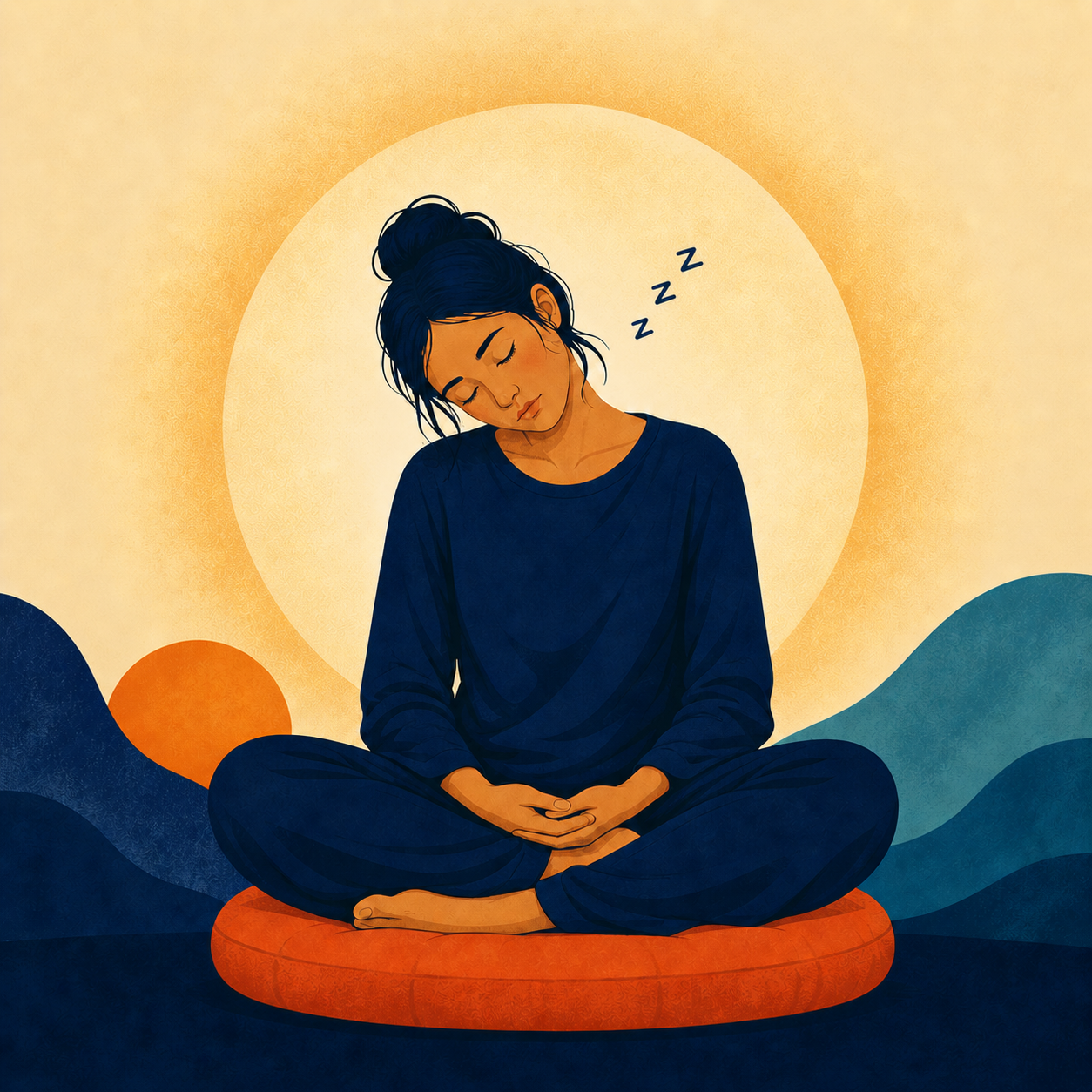
Another common problem when people first start meditating is that they find themselves quickly becoming bored and tired, and sometimes even falling asleep. So instead of tuning into their awareness, many start tuning out, dozing off, or daydreaming.
Tips to avoid falling asleep while meditating:
- Choose a time when you’re rested. If evening meditation keeps turning into an accidental nap, try practicing in the morning after a good night’s sleep.
- Change your surroundings. If your usual meditation spot leaves you feeling sleepy, try sitting outside at a park or beach. A little fresh air and a change of scenery may help you feel more alert.
- Keep your eyes open. Let your gaze rest softly on a spot in front of you while you focus on your breathing. You don’t have to close your eyes to meditate.
- Take your meditation for a walk. Walk slowly, paying attention to your feet meeting the ground and your weight shifting with each step. This gives you a way to practice awareness while keeping your body moving.
You can also get curious about tiredness itself. What does being sleepy actually feel like? Notice your heavy eyelids, the sensations in your body, and how your attention starts to drift. These sensations can become an object of meditation too.
Different things work for different people. Be willing to experiment with your meditation practice to discover what works best for you.
“Am I Meditating?”
While meditating, you may find yourself asking, “Am I meditating?” or “Is this meditation?”
Beginners often don’t know what to expect, so they may wonder whether a new sensation means they’re meditating successfully.
If that question comes up, you can treat it like any other thought that arises during meditation. Notice it without needing to immediately answer it, then return your attention to your breathing or whatever you’ve chosen to focus on.
Your thoughts, emotions, and bodily sensations can all become things you observe during meditation. Even the urge to check whether you’re “doing it right” gives you something to notice about how your mind works.
Each session may feel a little different. Feeling calm one day and restless the next doesn’t automatically mean you’ve gotten worse at meditating. Don’t get too attached to any single experience or expect to recreate it every time. Just keep practicing.