
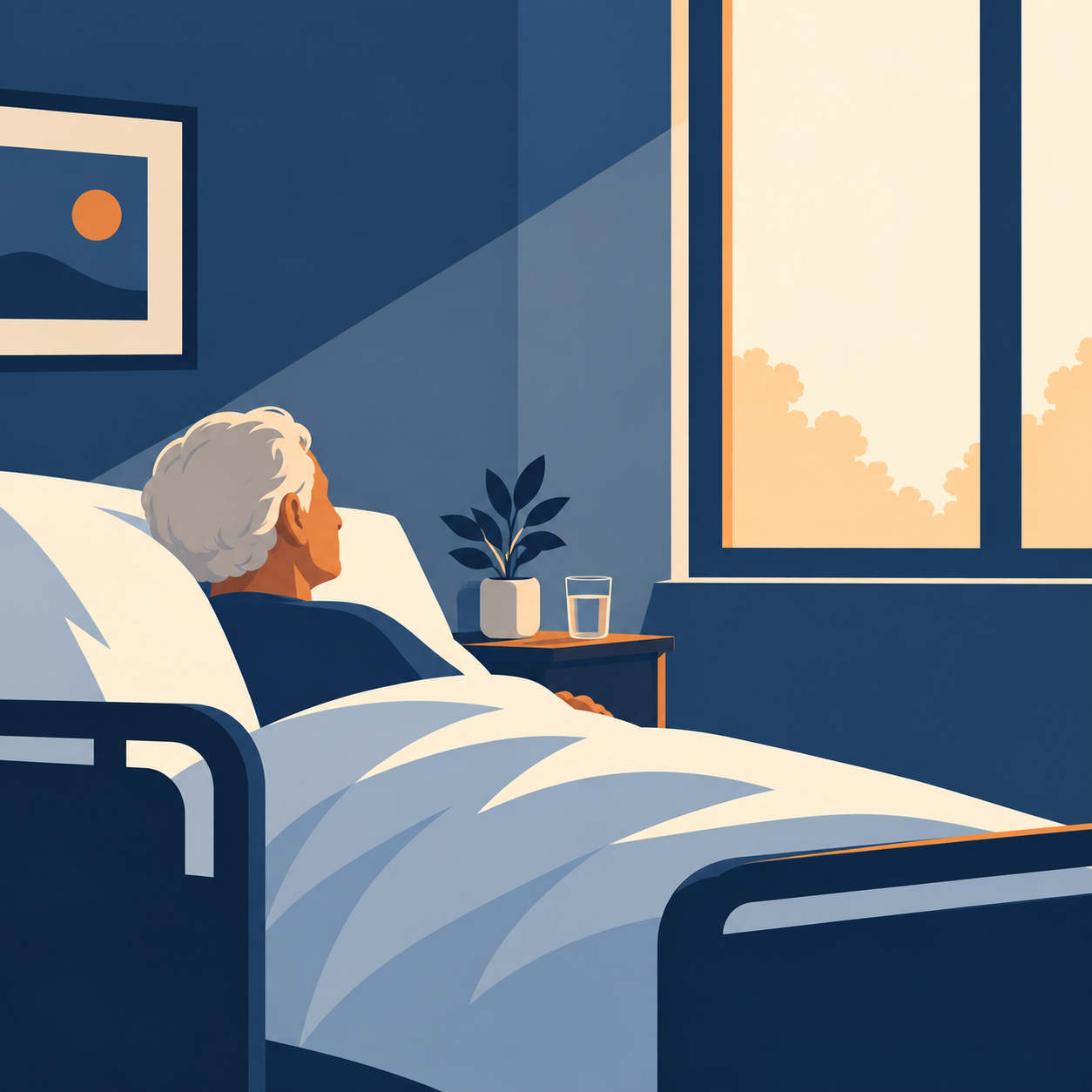
If you were on your deathbed right now, what would your biggest regrets be? The answer can change the way you decide to live the rest of your life.
Thinking about death can change how we live our lives. Our time on Earth is limited, and this realization can completely shift our perspective. It puts our real values and priorities into sharp focus, causing us to step back and reevaluate whether we are living our current lives in the best way possible.
When I was going through a period of depression in college, I would take the bus to the local cemetery by myself with nothing but my camera. I’ve always been comfortable with solitude and doing things alone, but these cemetery walks were an especially meaningful and humbling experience for me. Walking among the graves and reading the names of people I’d never know showed me that life is much bigger than my ego.
These cemetery walks were a powerful reminder that I would be dead one day too – but not yet – and that filled me with a sense of power and responsibility so long as I’m still breathing.
In the popular memoir The Top Five Regrets of the Dying: A Life Transformed by the Dearly Departing, Bronnie Ware describes her years in palliative care, working closely with people who were terminally ill or nearing the end of life. Across those conversations, five regrets surfaced repeatedly.
The Five Most Common Regrets in Life
According to Ware, these were the five regrets she heard most often:
“I wish I’d had the courage to live a life true to myself, not the life others expected of me.”
It’s cliché but true: you only have one life to live.
Many people cave to social pressure and choose paths others expect of them, such as what school to attend, what career to pursue, even what types of relationships to cultivate. However, what brings one person happiness isn’t necessarily what brings another person happiness. If we only try to make others happy, we often end up neglecting our own needs, wants, passions, and ideals.
Understanding your core values is one of the most important steps you can take in life. Knowing what you really want helps you make choices that reflect what you care about, not just what you think you “should” do. A 2018 paper published in the journal Emotion found that people’s most enduring regrets tend to involve the “ideal self”—the person they hoped to become but never did.
Our biggest regrets often involve the things we always wanted to do but never did: start a rock band, write a book, or visit a place we’d only dreamed of seeing.
“I wish I hadn’t worked so hard.”
Most people don’t lie on their deathbeds thinking, “I wish I’d spent more time at my job.”
Work is important and it can be fulfilling, but many people in today’s world become myopically focused on advancing in their jobs or careers, or making more money by any means necessary – sometimes even in unhealthy, destructive, or unethical ways.
We wrongly believe that wealth is the only real measure of value in life, and thus we get distracted from other important things like spending more time with family, taking care of our health, giving back to our community, or pursuing personal passions.
In our materialistic and consumerist culture, nothing seems more important than “working hard” and “making money,” but as the saying goes, “You can’t take it with you when you die.”
“I wish I’d had the courage to express my feelings.”
We often have trouble expressing our true feelings toward people because we see emotions as weakness or we don’t want to risk being vulnerable.
This is especially true when it comes to feelings of love, gratitude, and appreciation. There are some families, cultures, and couples where it’s rare to hear the words, “I love you,” or “I appreciate you.” The feelings are taken for granted, but they are never explicitly said.
It’s important that we learn to express love and appreciation toward others while we still can, including toward family, friends, loved ones, or mentors, because we will often regret it if we miss our chance.
For one of my mom’s birthdays, I wrote her a thank-you letter. It helped me communicate feelings I’d always had but found difficult to say out loud. It felt like an emotional weight was lifted off my shoulders once I finally expressed my tremendous gratitude for her and everything she’s done for me.
There are also people I’ve lost whom I never got the chance to tell how much I appreciated them. Those are regrets I’ll have to live with. The crucial lesson is: Don’t miss the opportunity to tell people you love them while you still can.
“I wish I had stayed in touch with my friends.”
Our circle of friends often changes dramatically throughout high school, college, and into adulthood, especially when we move to new places or leave our hometowns. We tend to lose touch with people over time. Those who were once “best friends” may now go years without even speaking to each other.
In theory, it’s easier to stay in touch with people now than ever. Old friends and family are just a call, text, or email away, yet we rarely take advantage of these opportunities.
It’s never too late to check in on past connections. It can seem awkward at first to reach out to those we haven’t seen in years, but often they will appreciate the gesture and you will both enjoy reconnecting and reminiscing about your shared past.
The simple act of checking in on people regularly, such as on holidays, birthdays, or at reunions, can preserve our social connections over time and remind us of all the positive relationships and social support we have. Each person you stay in touch with is another layer of meaning in your life.
“I wish that I had let myself be happier.”
People are too busy these days to be happy.
We get easily trapped in the hustle and bustle of daily life with work, school, chores, family, and other responsibilities and obligations. In the midst of all this, many forget the simple art of stepping back and finding happiness in the moment.
You don’t need to wait for something life-changing to be happy. Many people don’t realize that happiness is partly within their control, and you can start finding it in little things like savoring positive experiences, counting your blessings, having things to look forward to, and prioritizing positive activities. These habits are available to anyone, no matter what their current situation is in life. You don’t need to be rich or famous.
If happiness is a skill, then it’s something worth learning. It isn’t magic. How we think, act, and view the world all play a role.
The Time That Remains
If you are reading this right now, then you still have power over how you live the rest of your life. Every new breath is a symbol of this power.
Which of the five regrets do you relate to the most? Living too much by other people’s expectations, focusing too much on work, not communicating your true feelings, losing touch with old friends and family, or simply not finding time for more happiness?
Take a moment to imagine yourself on your deathbed. Which regrets would hurt the most? What can you still do about them?