
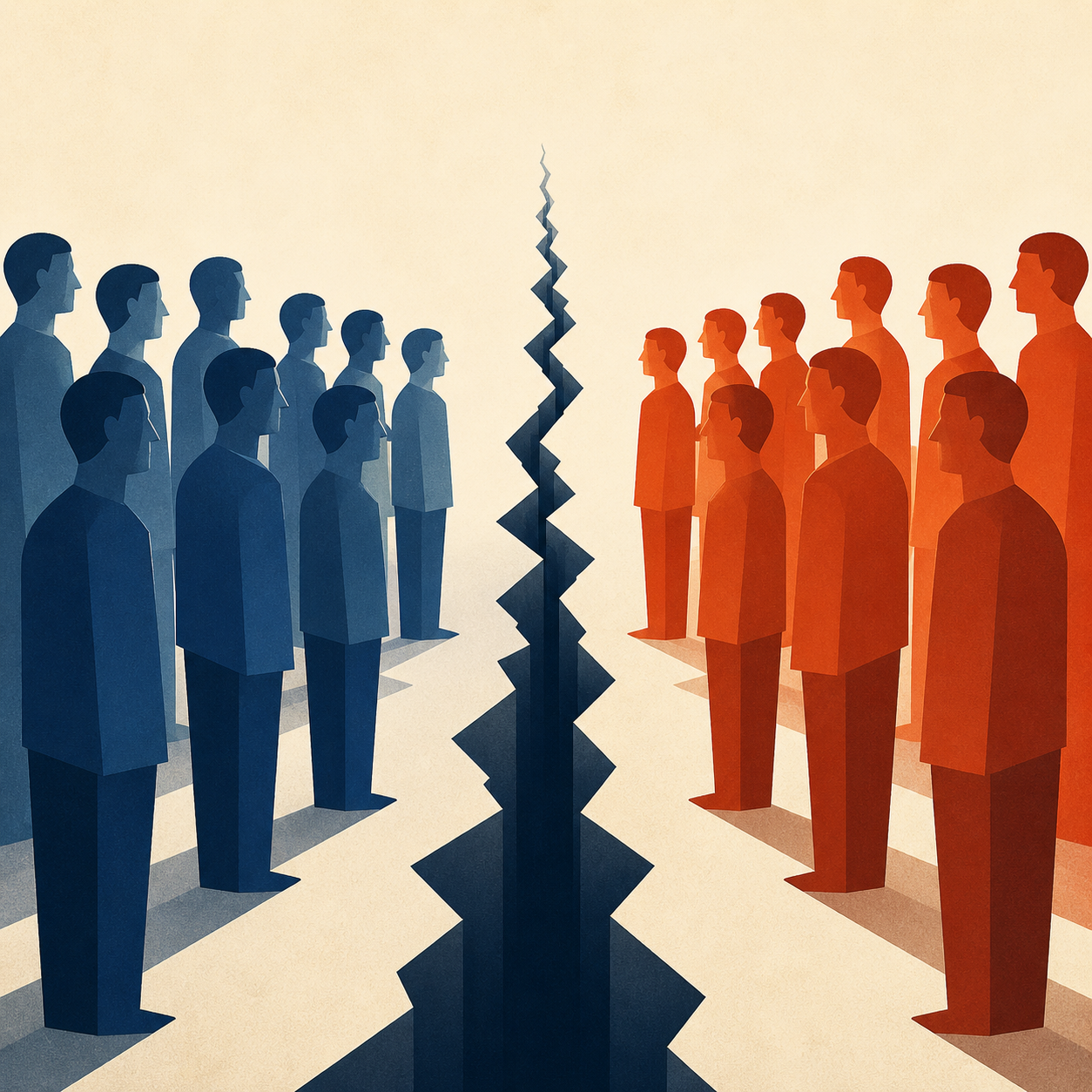
The “Us vs. Them” mentality stems from our evolutionary need to belong to a group, but studies show it can lead to irrational group favoritism, which ends up dividing society instead of bringing us together.
The “Us vs. Them” mentality stems from our evolutionary need to belong to a group, but studies show it can lead to irrational group favoritism, which ends up dividing society instead of bringing us together.

Failure lets you know that you’re going out of your comfort zone and trying new things. Learn to embrace it more, it can even be fun to put yourself in a situation where you know you will fail.

Do a quick Twitter search for “positive thinking” and you’ll find new tweets being shared every minute about people trying to stay more positive in their lives. It’s a buzzy catchphrase that a lot of people use very often, but without really answering the question, “What does it really mean?”
Everyone has their own definition, and I find some better than others. But instead of attacking a bunch of potential strawmen, I’ll just share my own thoughts about what “positive thinking” means to me and how it fits into my worldview.
I define positive thinking as any type of thinking that inspires us to accomplish something constructive with our lives. It’s a type of thinking meant not merely to make us feel good about ourselves, but to motivate us to take action and make a physical change.

Success in any area of life never happens in a complete vacuum. Often it is just as much dependent on an individual’s environment, relationships, and outside circumstances as it is on their will-power, discipline, and intelligence.
To find happiness and success, you therefore need to pay attention and take some control over the type of environments you are surrounding yourself in on a daily basis; even the strongest and brightest of minds will find it difficult to achieve their goals if they are in a completely wrong environment for them.
This is because every aspect of your external life has some influence over your internal thoughts and behaviors, especially the people you surround yourself with on a daily basis, and the type of places where you spend most of your time.
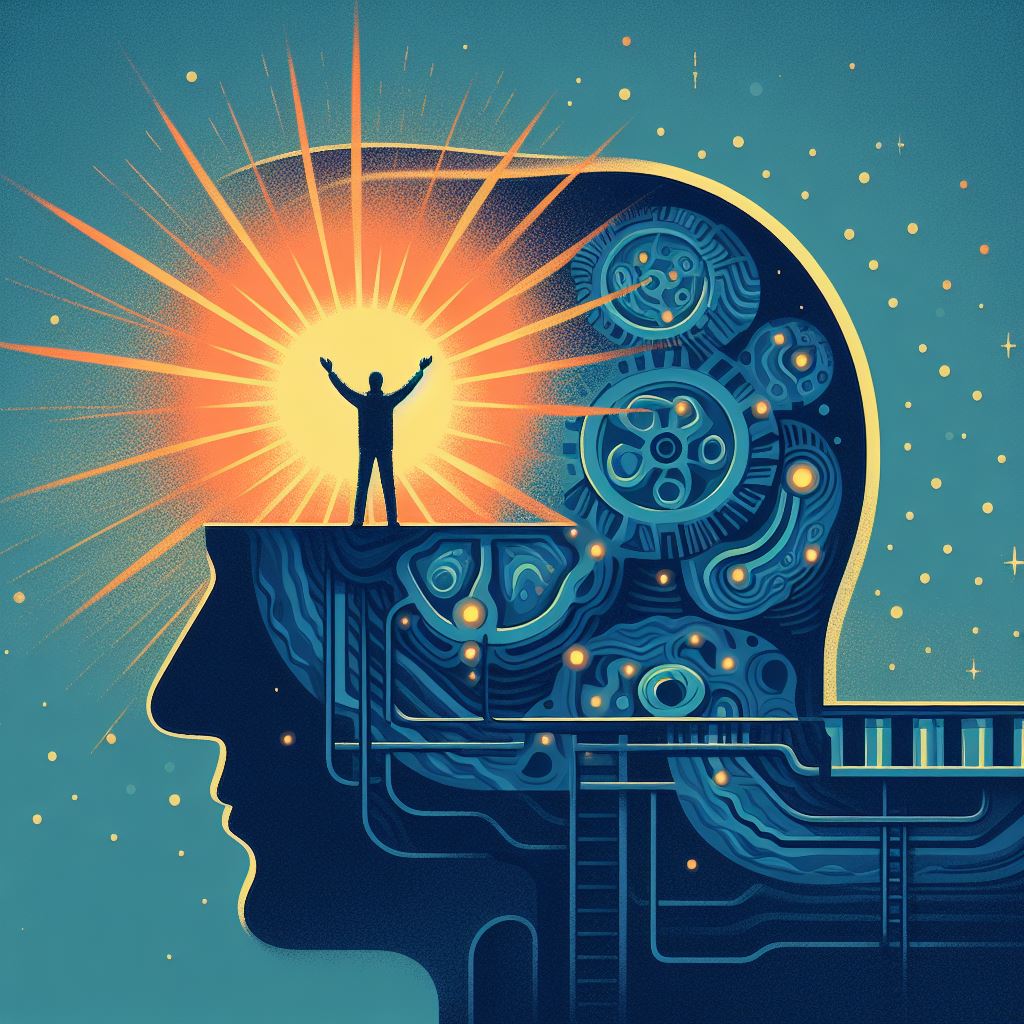
In psychology, there is a concept known as a self-fulfilling prophecy which describes how certain beliefs can influence our actions in a way that makes those beliefs actually come true. It’s an example of the positive feedback loop between beliefs → behaviors → outcomes.