Multi-Stage Meditation: A 15-Minute Routine

meditation


Meditation is becoming one of those habits that we all know is good for us, but we have trouble actually doing it on a consistent basis.

When I first learned about meditation and tried it out, it was about 10 years ago. Since then my practice has been very sporadic. I enjoyed it and could see its benefits afterwards, but I could never transform it into a steady habit.

However, meditation is slowly become as essential to my daily routine as exercise, diet, and sleep. I’ve been able to meditate almost every day for the past few months, so it’s still a relatively new habit, but using gamification has motivated me a lot this year.

Because I’ve been meditating more frequently, I’ve begun to develop my own “personal routine” when it comes to my meditation practice.

The main purpose of this post is to share that routine with you. I call it a “Multi-Stage Meditation” because it’s a combination of multiple techniques, including “Breathing,” “Body Scan,” “Visualization,” “Metta (Loving-Kindness),” and “Mindful Movement.”

That may sound like a lot, but the whole routine takes about 15 minutes total. Here’s an overview of how it looks.

Continue reading

The Ultimate Trap: Social Comparison and “Keeping Up With The Joneses”

social comparison


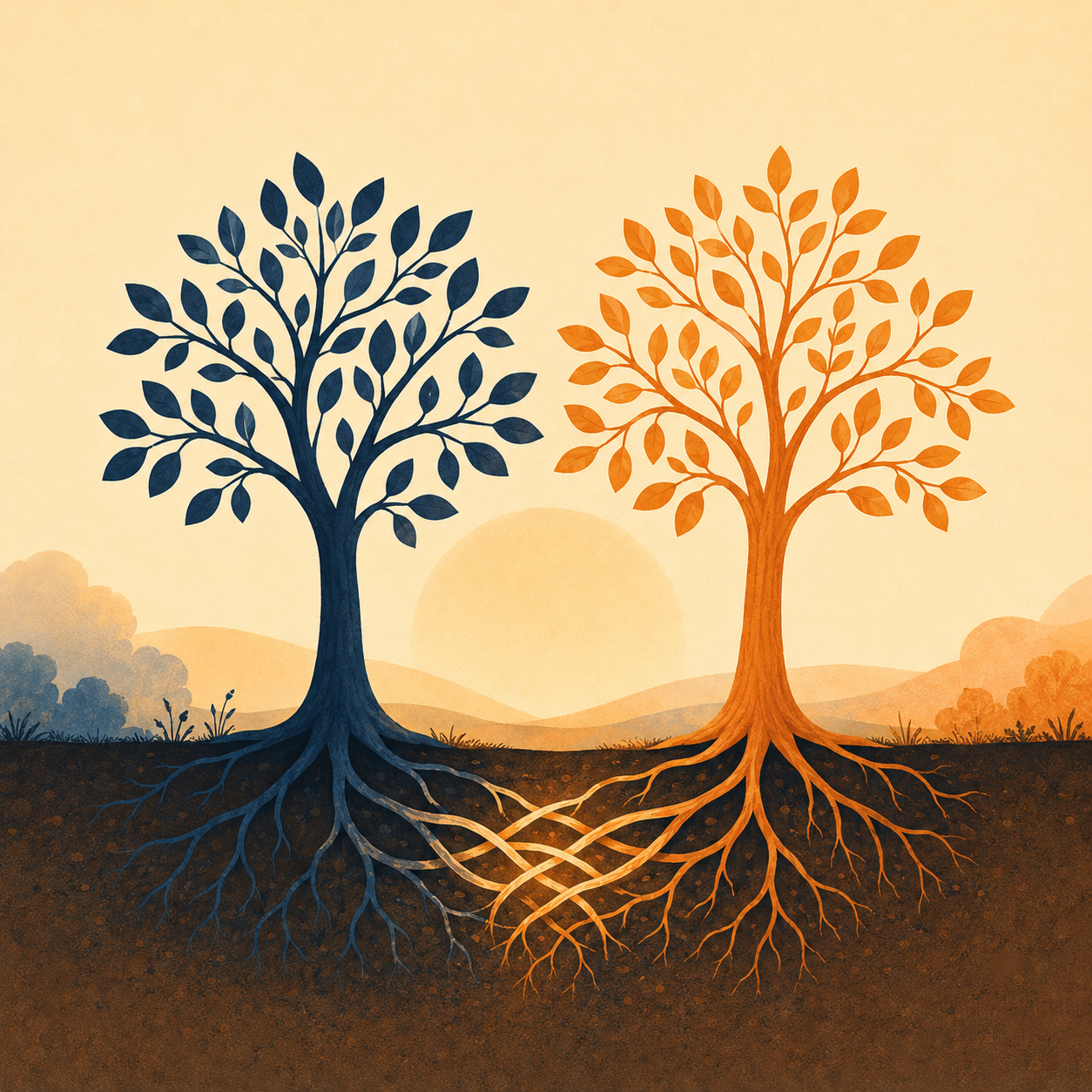
You don’t measure up with anyone, because you can’t accurately compare yourself to others.

One of the ultimate traps in life, especially when it comes to our happiness and well-being, is spending too much time comparing our lives with others and trying to measure it in relation to someone else.

We compare ourselves in virtually every area of our lives. We compare each other’s homes. We compare each other’s jobs. We compare each other’s bodies. We compare each other’s relationships. And we compare each other’s life paths.

And when we are constantly making these social comparisons and perceiving ourselves as inferior in some way, then that’s going to lead us to become more dissatisfied and unhappy with our lives.

It’s all-too-easy to look at someone else and begin thinking, “I wish I had a home like that.” or “I wish I had a job like that.” or “I wish I had a body like that.” But you don’t – and that’s OK.

You are a different person. And you’re on a different path.

There’s always going to be someone else who seems like they have it a lot better than you. So if you’re only measuring yourself against others, that’s a recipe for everlasting unhappiness. There’s always a bigger fish in the pond.

It’s important to remind yourself: “The only person ahead of you, is you in the future.”

Instead of measuring your happiness and success compared to others, think of it in terms of your own self-growth and progress. Are you moving in the right direction in your life? Are you pursuing the values that matter to you? Because that’s what’s most important.

It’s often better to measure your happiness and success based on your own internal standards rather than the external standards you see set by others.

Continue reading

What Are Your Superpowers? Create Unique Names for Your Strengths

superpowers


Do you have superpowers?

When it comes to self improvement, we often focus more on our weaknesses and what we want to fix about ourselves rather than our strengths and what we are already good at.

The main reason for this is that we tend to have a “negativity bias.” Our minds are designed to solve problems and fix things. And as a result, we take our strengths for granted and instead we spend most of our time thinking about the things we perceive as “wrong” with ourselves.

One essential shift in your perspective is to pay more attention to your strengths.

This is why I often tell people to “follow your biology” because the things you are naturally good at are the characteristics that are going to make you stand out in the best way possible and become the best version of yourself.

While reflecting on your strengths is beneficial as a standalone exercise, here’s an extra twist on it to make it more fun: create unique and cool-sounding names for your strengths.

In fact, think of yourself as a type of superhero and think of your strengths as superpowers. What would they be called?

For example, instead of thinking you’re just “intelligent,” think you’re a “Master Absorber.” Or instead of thinking you’re “creative,” think you’re an “Idea Machine.” Or instead of thinking you’re “confident,” think you’re a “Devout Self-Believer.”

By coming up with your own unique names for your strengths, you automatically make them sound more powerful and badass.

Continue reading

Gamification: A Great Tool for Habit Change and Motivation

gamification


Gamification is the process of using “gaming elements” in non-gaming situations. The basic idea is that by making an activity seem more like a “game,” individuals will be more motivated and focused to continue that activity and stay committed to it.

One of the most common examples of this is when businesses use rewards and badges for customers who have been loyal to their company. The more products you buy, the more you work your way to different “reward tiers,” or “earn badges,” similar to how you move from level to level in a video game. By doing this, businesses keep their customers more committed to their brand.

Another common example of gamification is through many health and fitness apps, which often track your progress, record high scores, share your progress with others, and reward badges once you reach a certain amount of exercise or improvement in your diet. These apps are designed to keep you focused and committed to your health goals.

However, my favorite example of gamification in the context of self improvement is the mobile app Habitica (formerly known as “Habit RPG”), which I’ve been using for the past few months and highly recommend (it’s completely free to use).

Basically, Habitica is a motivation app with an RPG (role-playing game) twist. You complete an activity in the real world, and then you receive virtual points that you can use to get through the game, improve your character, damage bosses, and achieve certain goals.

There’s not much actual gameplay, but you can customize your character, collect items (such as weapons, pets, and gear), choose a class that has special abilities (“Warrior,” “Rogue,” “Mage,” “Healer,”), improve certain skills that help different aspects of the game (such as “Strength,” “Perception,” “Intelligence” and “Constitution”), and play quests that often involve finding items or fighting a boss.

You can even join a “Party” with others and complete quests together, which adds a nice social component to it.

Continue reading

The “In Front of the TV” Workout: Make Exercise As Fun and Easy as Possible

workout


Everyone knows exercise is good for them, but not everyone knows how to make it a consistent habit. This is a common struggle in many areas of self improvement: we know what is good for us, but we have trouble actually doing what is good for us.

I’ve certainly struggled for many years to build a workout routine that I could sustain for a long period into the future. Countless times throughout my past I’ve gone to the gym for a couple weeks, but then quickly fell off and stopped going.

One thing that helps is having an “everything counts” mindset, even if it’s just simple things like taking the stairs instead of the elevator, or parking my car further from my destination so I can take a small walk, or doing 20 push-ups every morning before jumping in the shower.

Tiny habits like that can help you to begin thinking of yourself as a “health-conscious” person, and even that shift in identity can motivate you to start making healthier choices and taking advantages of opportunities to be more physically active.

Another interesting strategy to try out is to do an “in front of the TV” workout. Most of us already spend a lot of time in front of screens – watching TV shows, movies, news, or sports – so why not take some of that passive time and combine it with physical activity?

In psychology, this is known as “habit stacking.” It’s when you take an old habit that’s already a part of your daily routine (such as watching TV) and combine it with a new habit that you are trying to build (such as a workout).

Continue reading