

Beliefs and Reframing
Negative Emotions
Positive Emotions
Health and Exercise
Relationships
Goals and Motivation
Mindfulness and Meditation
Meaning and Purpose
Beliefs and Reframing
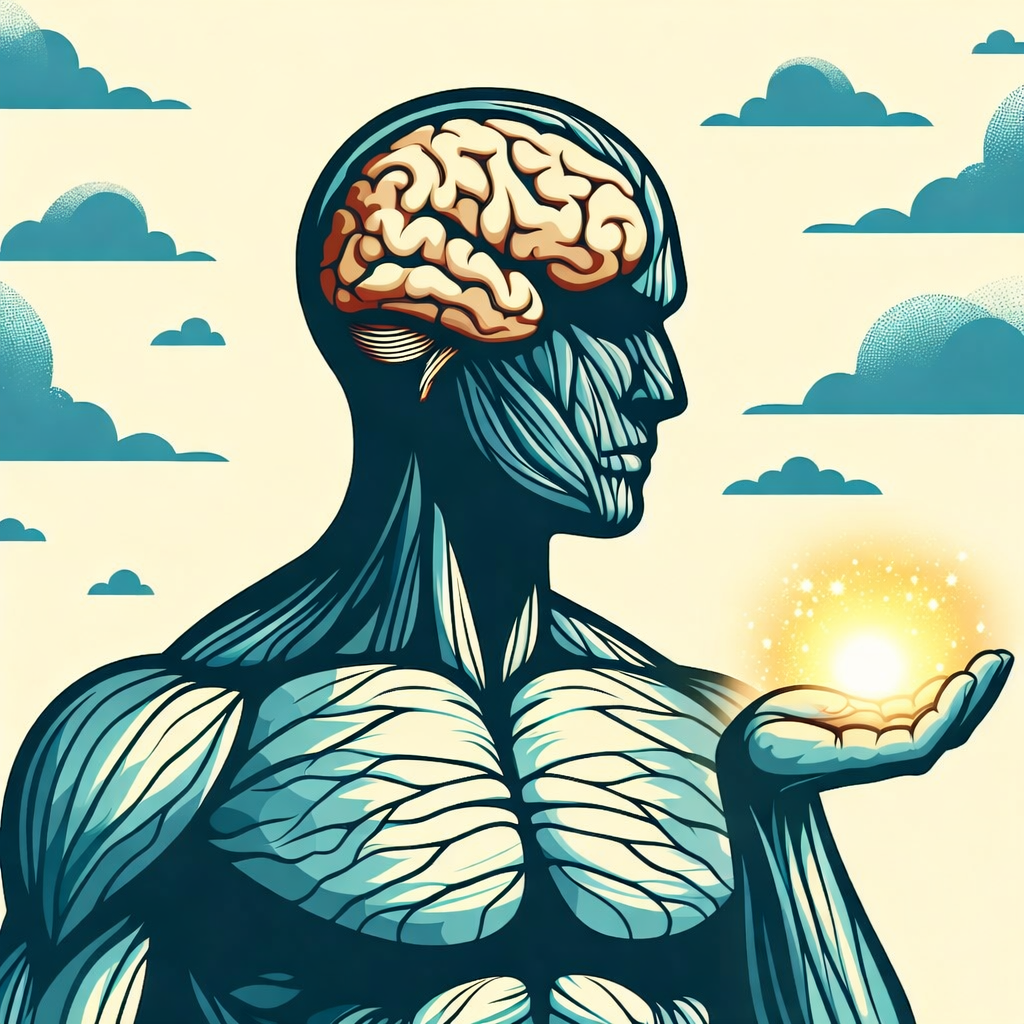
Use this simple worksheet to identify your strengths, talents, and skills. Everyone has positive traits, even if they don’t always recognize them. Discover yours through a few easy exercises and start building toward your full potential.

Transform your negative beliefs with cognitive therapy techniques, including analyzing the language behind your beliefs and how to rewrite them from a more optimistic and motivating perspective.

The simple act of writing down your negative beliefs and watching them burn away right in front of you can disempower them and help you let go. Most people feel an instant relief. Try it out for yourself!
How much power and control do you feel you have over the outcomes in your life? Take this fun and insightful quiz to discover where your "locus of control" is.

Being honest with yourself can be painful but highly rewarding. When honesty meets your willingness to change, there is no telling the ways you can grow and improve.

Your beliefs define your "map of reality" and how you see yourself and the world. To grow and improve, we must be willing to update this "map of reality" in the face of new information and new experiences.

Your perspective is everything. "Cognitive restructuring" is a tool used by psychologists, therapists, and coaches to identify beliefs that are maladaptive and destructive to our lives, and then reframe them to new beliefs that are more constructive and healthy.
What you perceive as a "weakness" of yours can be a "strength" in disguise. Here are 30 positive reframes of different personality traits and characteristics. Which apply to you?
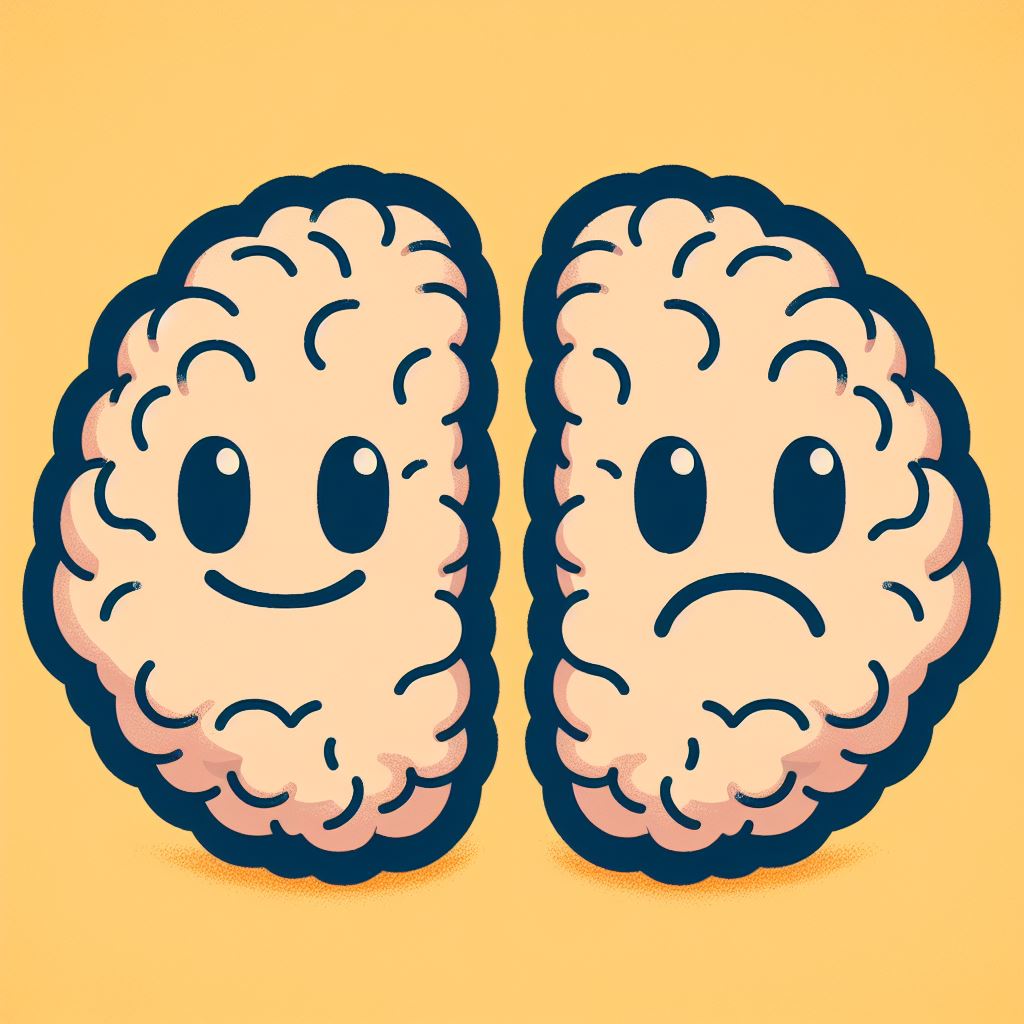
Rumination is the cornerstone of depression and anxiety. It's characterized by an excessive replaying of negative thoughts and memories. A new study finds rumination activates the same brain regions as savoring, or the replaying of positive thoughts. Can depressed people learn to use their brains' natural abilities in a more constructive way?

Finding the "silver lining" of potential bad news (before you receive it) can minimize stress and improve emotional well-being, according to a new study.

If you have a very skeptical and critical mind, why not focus that energy into debunking your negative beliefs?

"Bad day" or "the apocalypse?" Some people have an amazing ability to take small problems and transform them into much bigger ones. Be aware of these 3 types of exaggerated thinking and how to avoid them in the future.

Black and white thinking is our tendency to look at the world in terms of "all or nothing." This strict and stubborn perspective can become the cause of many problems in our lives because it often represents a false view of reality.

Is happiness compatible with your worldview or are you destined to a life always believing, "I will never be happy?"
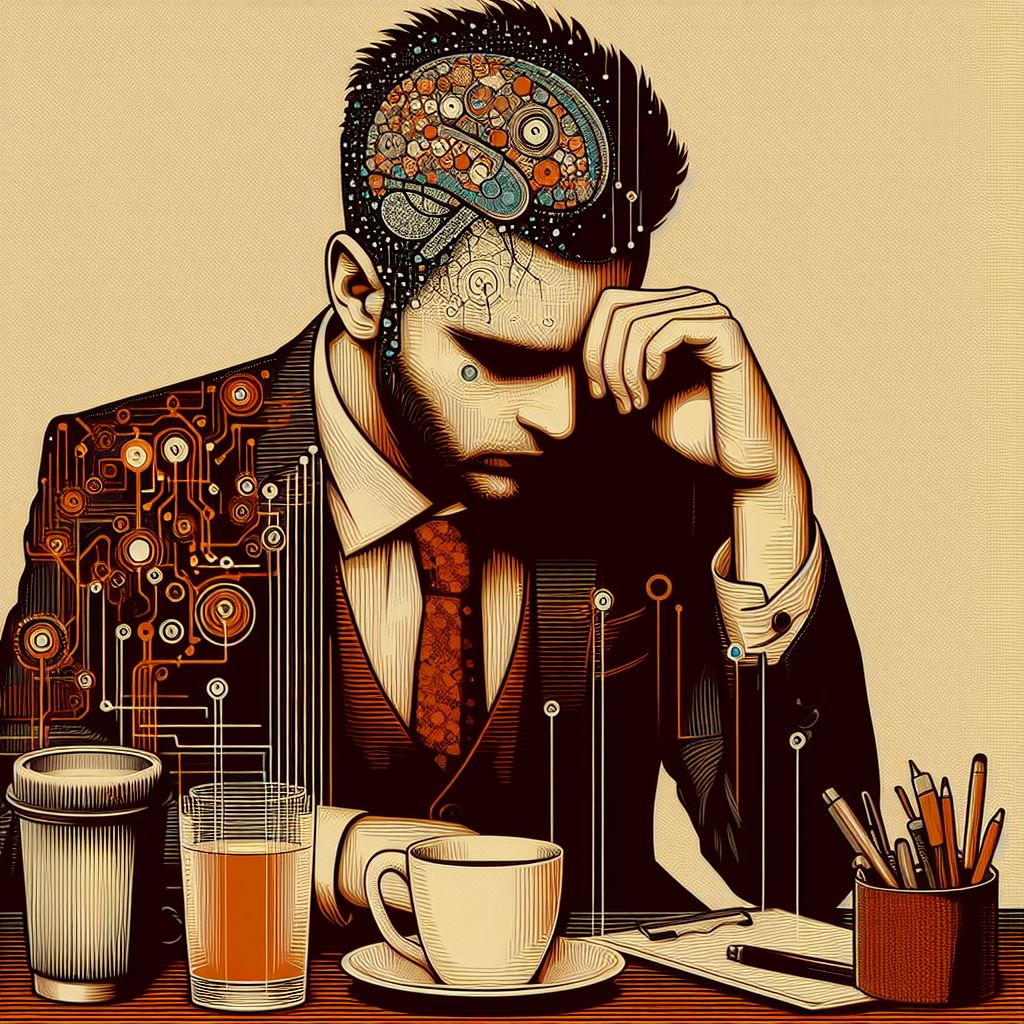
A common belief I come across in many truly smart and talented individuals is the idea that "I'm too smart to be happy." Here's why that belief is often wrong and self-fulfilling.

Explore how the concept of "adaptive signal" provides a fresh understanding of depression, highlighting its potential role as a meaningful response to challenging life circumstances and offering new perspectives on mental health.

Learn how to channel depression into self-growth. Here's when depression is only a phase in life we have to go through and learn from before we can move onto the next chapter in our lives.
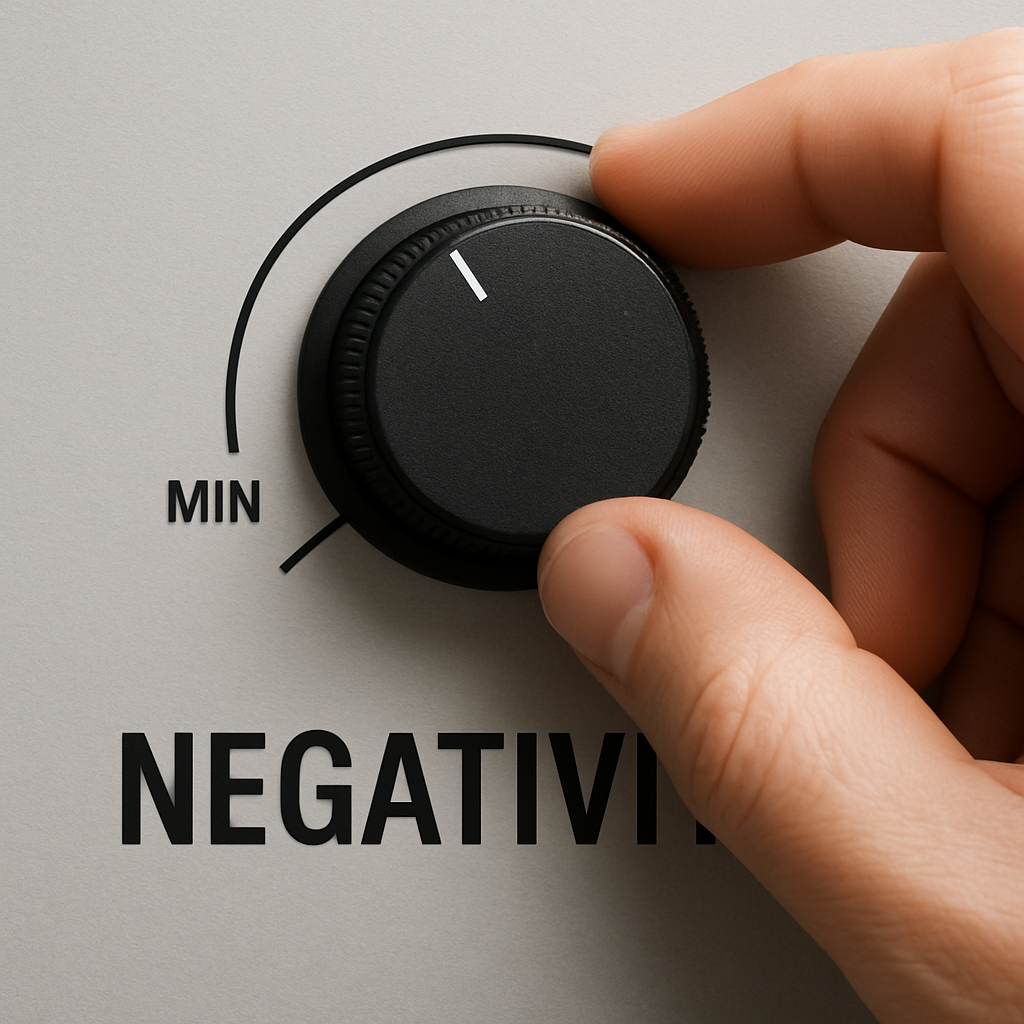
When we slip into a negative mood, our language tends to go overboard — everything feels "always," "never," or "the worst." A simple way to soften this pattern is to swap out those absolutist words for language that makes the feelings sound smaller, more manageable, and less extreme. Here’s one easy tweak you can use to tone down negativity in the moment.

You're not a failure, you're just not successful...yet. When you talk about a goal you haven't achieved, make sure you add "yet" to the end. Keep the possibility open.

What's the difference between self-awareness and self-indulgence? A new study shows that focusing too much on yourself, and excessively using words like "I" and "Me," may feed into depression.
The metaphors we use to describe our lives can have a powerful influence on how we frame our experiences and respond to them. The best way to change the meaning of an experience is to find a new metaphor to describe it.

Discover the power behind the mantra "If I can overcome this, I can overcome anything," and learn to conquer all of life's challenges no matter where you find yourself.
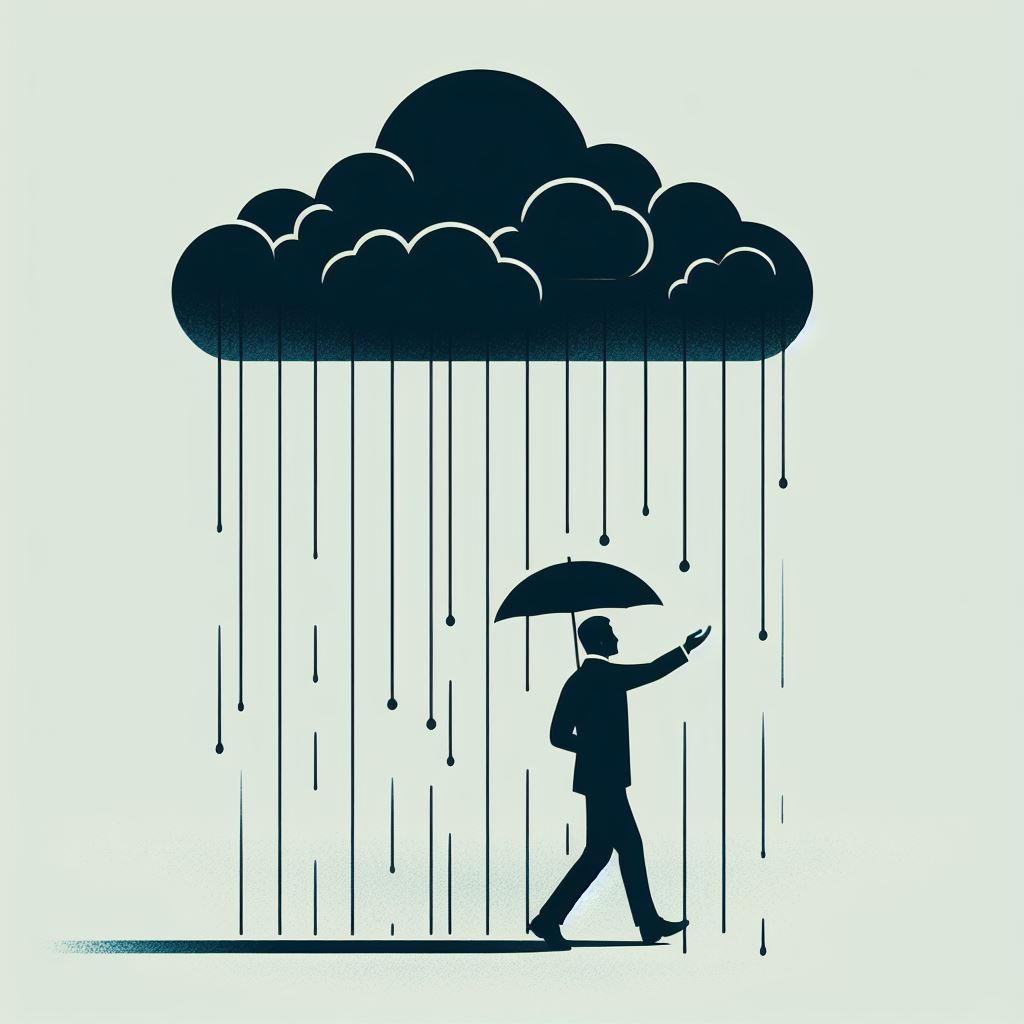
When you feel the need to talk about your problems over and over again, they can often seem much worse than they really are. Here's how we can become addicted to negativity and drama.
The way we think of past events in our lives is very flexible and subject to change. We can take this flexible nature of our minds and use it to process negative memories in different ways that benefit us instead of holding us back.
Negative Emotions
We tend to think of intelligence as logic, math, science, and raw brainpower, but that definition misses a major dimension of human life. Emotional intelligence governs how we understand ourselves ("self-awareness"), manage our emotions ("self-regulation"), connect with others ("empathy"), and move through our social world ("social skills").
A 25 question quiz designed to assess how good you are at managing your emotions and navigating your emotional world. What do you score?
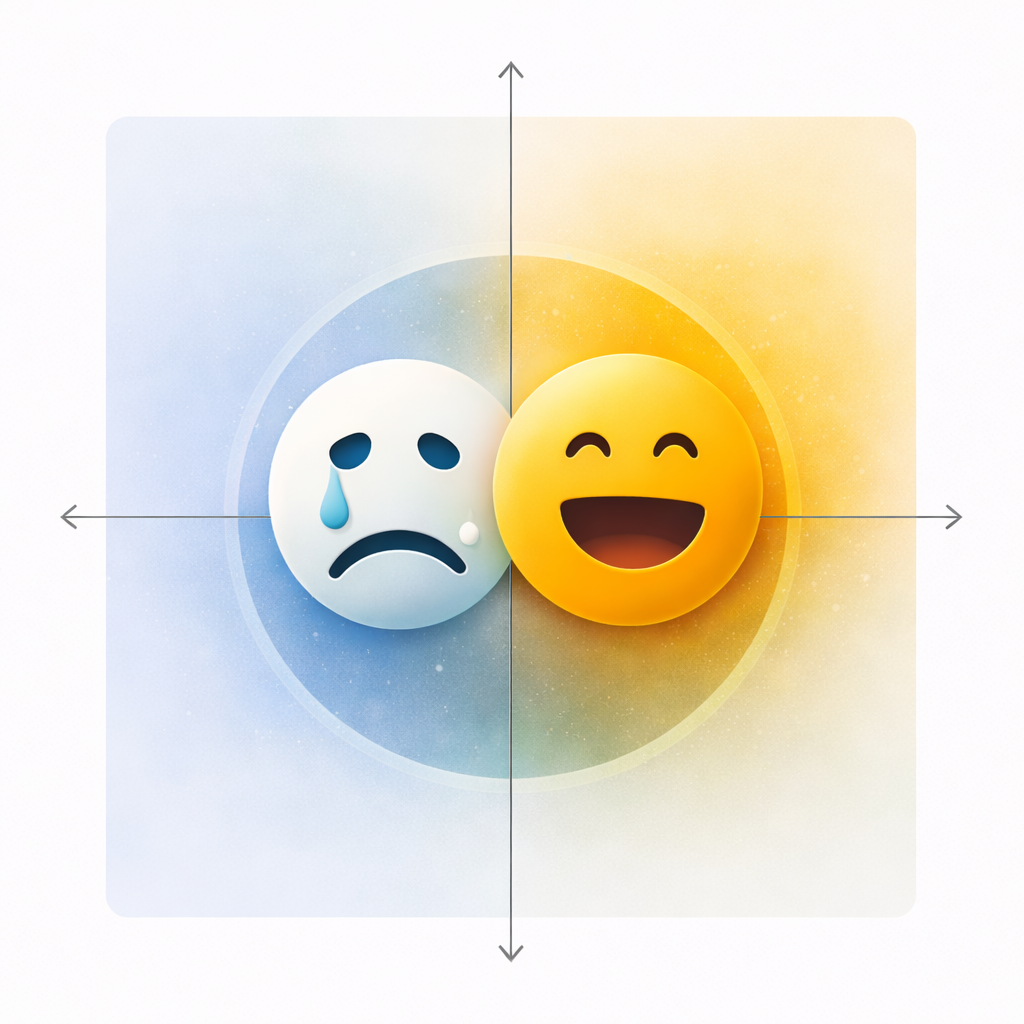
The two-dimensional model of emotions is a simple psychological framework for classifying emotional experiences. It organizes emotions along two dimensions: valence ("pleasant" vs. "unpleasant") and arousal ("high energy" vs. "low energy"). This perspective can provide a clearer understanding of emotional states—and how to respond to them more effectively.

Here are 5 warning signs that you're becoming a slave to your emotions.
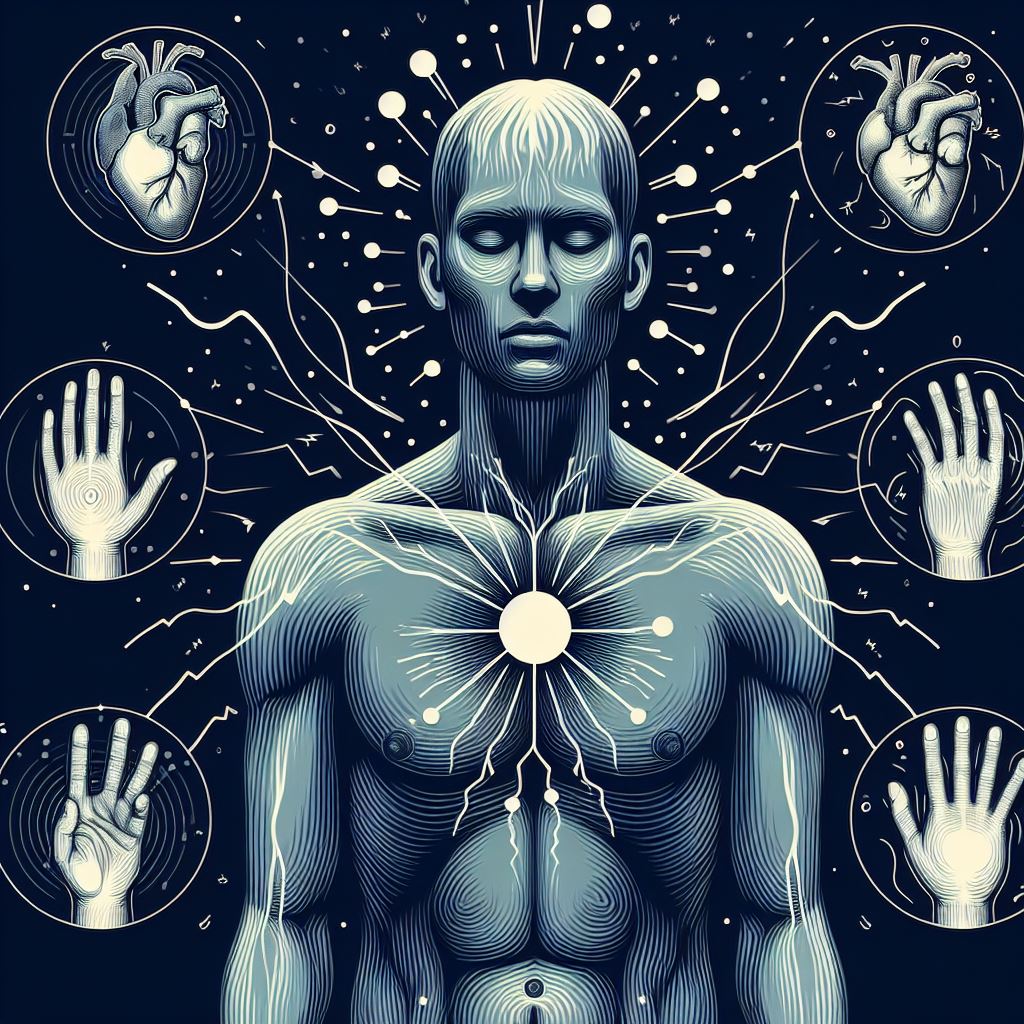
When you experience an emotion, how does it feel in your body? Learn how to identify the physical sensations behind your emotions to become more self-aware and emotionally intelligent.

Your feelings can be misleading if you always react to them without thinking. At times, it's a good idea to step back and question them. Here's a step-by-step guide on how to do this.

Do you see your emotions as a source of strength or weakness? New research shows how maladaptive beliefs about feelings can lead to destructive patterns and poor self-regulation. Learn how to better navigate your emotional world by cultivating the right approach and mindset toward every feeling.
The current way you respond to your negative emotions doesn't have to be the only way. Create a plan and choose a new way to respond to your negative emotions before they happen.

"This too shall pass" is a great mantra that teaches us the power of impermanence. The essential idea is that no matter what you are currently going through in life, it's ultimately temporary and will change.

Why is it important to embrace our "dark side" every now and then? The power of negative emotions, stress and anxiety, and even "Dark Triad" personality traits.

The simple act of labeling negative emotions as you experience them can help you accept them and overcome them.
Doing the opposite of what you feel can be a great way to change the flow of your emotions. Learn about the "opposite action" technique in this article.

Everyone has a past and a future. No matter what we've done in our past, we have the capacity to completely forgive ourselves and take a positive step forward.

Do you lash out at others or get angry a lot? Try giving a gentle "warning" to others when you are in a bad mood to avoid unnecessary hostility and conflict in your social interactions.

When you have a bad interaction with someone, how quickly can you let it go? The answer can make all the difference in your happiness and relationships.

Big life events — the loss of a loved one, the end of a relationship, or an unexpected change in your career — take time to settle. Give yourself room to process, and let the meaning unfold at its own pace. Here are simple practices to help you navigate these difficult moments with greater grace and ease.
Positive Emotions
Complete this unique exercise to remind yourself of all the different types of positivity and joy that exist in your life, both big and small.
Here's a massive collection of 100+ happiness hacks to boost your brain’s four key "feel-good" chemicals — dopamine, oxytocin, serotonin, and endorphins. These chemicals are the biological building blocks of a happier, healthier life.

A 25 question quiz designed to measure your current level of happiness and life satisfaction. What do you score?

The “broaden and build theory” is an idea in psychology that positive emotions allow us to expand our awareness in new ways and tap into mental resources that aren’t always available to us.

Savoring is the act of recognizing, appreciating, and prolonging a positive experience. We typically think of savoring while eating, but it's an ability that can be applied to every area of your life. It also may be the key to long-lasting happiness.

Emodiversity describes the variety of emotions we experience on a daily basis. Research shows that emodiversity can often be a better predictor of physical and mental health than the raw calculation of "positive" vs. "negative" emotions.
Life doesn't exist without our senses. This is such a simple fact that we often take it for granted – which is why it's so important you take the time to be grateful for them.

We all need something to look forward to in life. A healthy sense of "anticipation" can often energize our lives and motivate us to get through tough times.
Your experience of happiness, pleasure, and joy often depend on the situation and context. If you understand this, you can maximize the happiness in your life.

When your happiness is only tied to things that are always changing, you’re going to get easily caught up in the “highs” and “lows.” In certain times, it’s necessary to have sources of happiness that aren’t tied to anyone but yourself.

Do you have time to be happy and enjoy life? Here's why positive and pleasurable activities are so important for well-being and how we can prioritize them more.

Emotions can be as contagious as the common cold; just as we can catch a virus from someone when we come into contact with them, we similarly "catch" other people's emotions when we come into contact with them.

Our environment and surroundings can have a real impact on our mindset and attitude – and this includes the power of a nice and beautiful view.
Health and Exercise
A 25 question quiz designed to measure your current level of health and physical well-being. What do you score?
Use this worksheet to reflect on one area in your life that needs a change – then choose one new habit to begin moving in a better direction!
Our minds and bodies are connected, so the more you take care of your body, the healthier and smarter your mind will be as well.
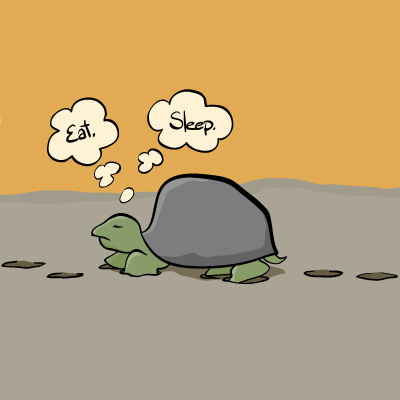
There is a structure behind every habit which psychologists refer to as a "habit loop." By understanding our "habit loops," we can more easily change our behaviors. Here's how to do it!

Wake your body and mind up in the morning by practicing a simple "mindful stretching" routine. Start every day with slow and deliberate movement.
Improving your sleep habits can make a big difference in your life overall. If you're currently experiencing unhealthy sleep patterns, here are the key principles behind a good night's sleep.

When you have an "everything counts" mindset in regards to exercise, you can more easily find daily opportunities to be more physically active even if it just simple things like going for a quick walk or doing pushups while watching TV.

Do you have trouble getting enough exercise? A "scattered workout" – where you spread out different exercises throughout your day – may be an easy and convenient approach to becoming a healthier and fitter person.

If you want to be healthier and exercise more, it's important to first understand your individual personality so that you can choose activities that resonate with you and keep you motivated.

We all know exercise is good for us, but it can be hard to make it a consistent habit. What if you tried combining it with an already established habit, such as watching TV or listening to a podcast?

As the days get darker, colder, and shorter, it's a good time to install some extra "mental health boosters" into your routine. Here are important tools to minimize winter sadness (or "seasonal affective disorder").
Your mind and body are tightly interconnected. There's a lot of new and interesting research that shows just how much how your mindset about "health" can make a real difference in your physical well-being.
Have you ever tried intermittent fasting? Tap into the power of hunger to supercharge your health, fitness, productivity, and motivation.
Stress is a normal part of our everyday existence, so it's important we learn how to manage it in a healthy way. Research shows that excessive stress can lead to a range of physical and mental health problems.
Relationships

This worksheet will show you how to create a “Social Support Database” to serve as a positive reminder of all the people in your life who have your back, including family, friends, neighbors, coworkers, therapists, and support groups.

We are often shaped by the people we admire — parents, teachers, friends, mentors, even musicians, artists, or thinkers we’ve never met. Their influence leaves a mark on us, often more than we realize. This "Role Models" worksheet is a chance to pause and name those people. Think of it as building your own hall of inspiration — a personal archive you can return to whenever you need guidance, energy, or perspective. Use this exercise to remind yourself: you’re never starting from zero. You’re standing on the shoulders of those who came before you.
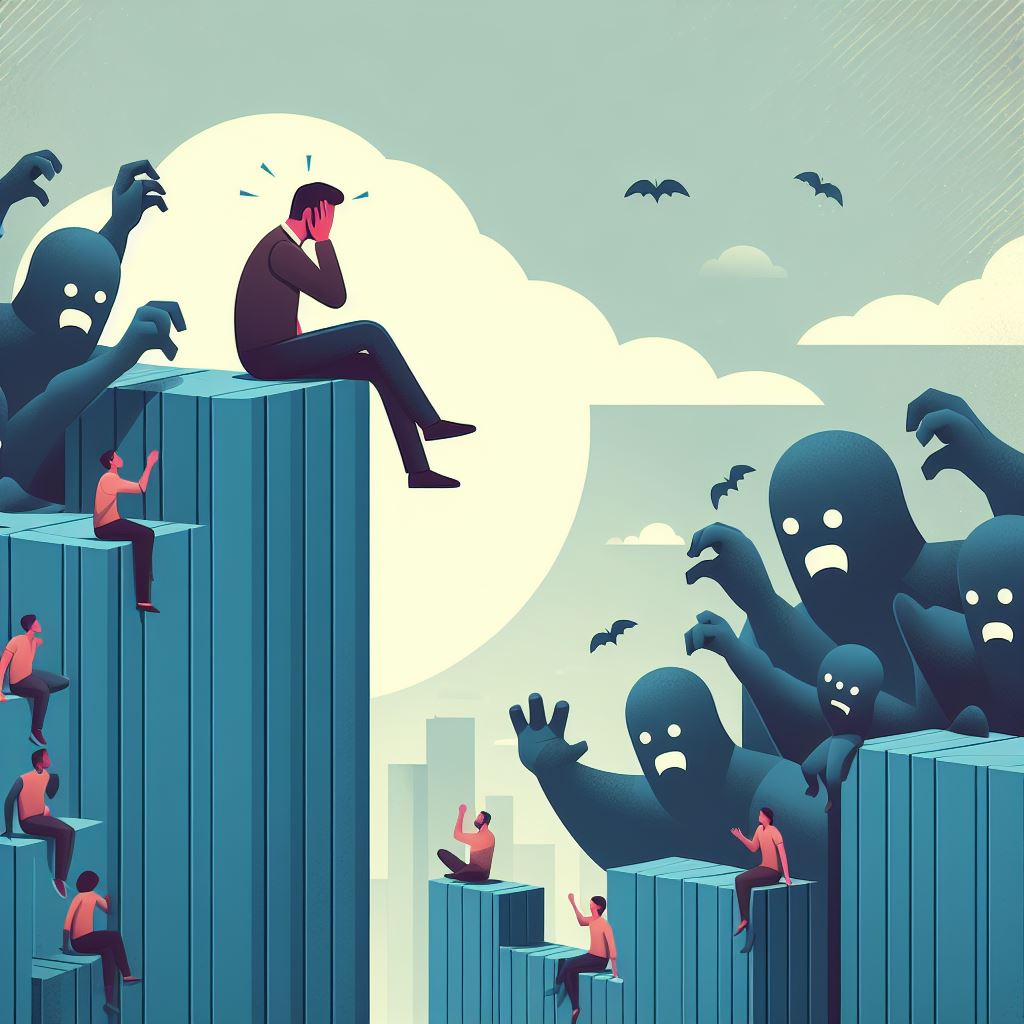
Conquer your social fears one step at a time by climbing up your "Anxiety Hierarchy." Here's a simple and powerful worksheet to get you started.

Learn from past love to improve future love. This worksheet will guide you step-by-step so that you can take away the most important lessons from your past relationships.
Do you feel like you have a place in this world? Take this quick 25 question quiz to measure your current sense of belonging.

A 25 question quiz designed to measure your current level of social intelligence and social skills. What do you score?

While "being yourself" has real costs – you risk being judged and ostracized by others – ultimately, the reward for being true to yourself is worth it in the long-term.

Building positive relationships is a vital component to living a happy and successful life. Do you have the social support you need to reach your full potential?

We have a vital human need to feel loved and appreciated by others. Discover the profound impact of appreciation on self-worth, relationships, and well-being, and learn practical tips to cultivate more love and gratitude from others.

Our need to belong to a group or "tribe" is natural and instinctual. Everyone needs a tribe in their life to find real happiness, meaning, and purpose.

Who is someone you haven't connected with in awhile? Reaching out and checking in on them likely means a lot more to them than you realize.
It's important to be open and honest when you communicate your feelings to others, but we also have to be careful not to turn ourselves into "emotional manipulators."
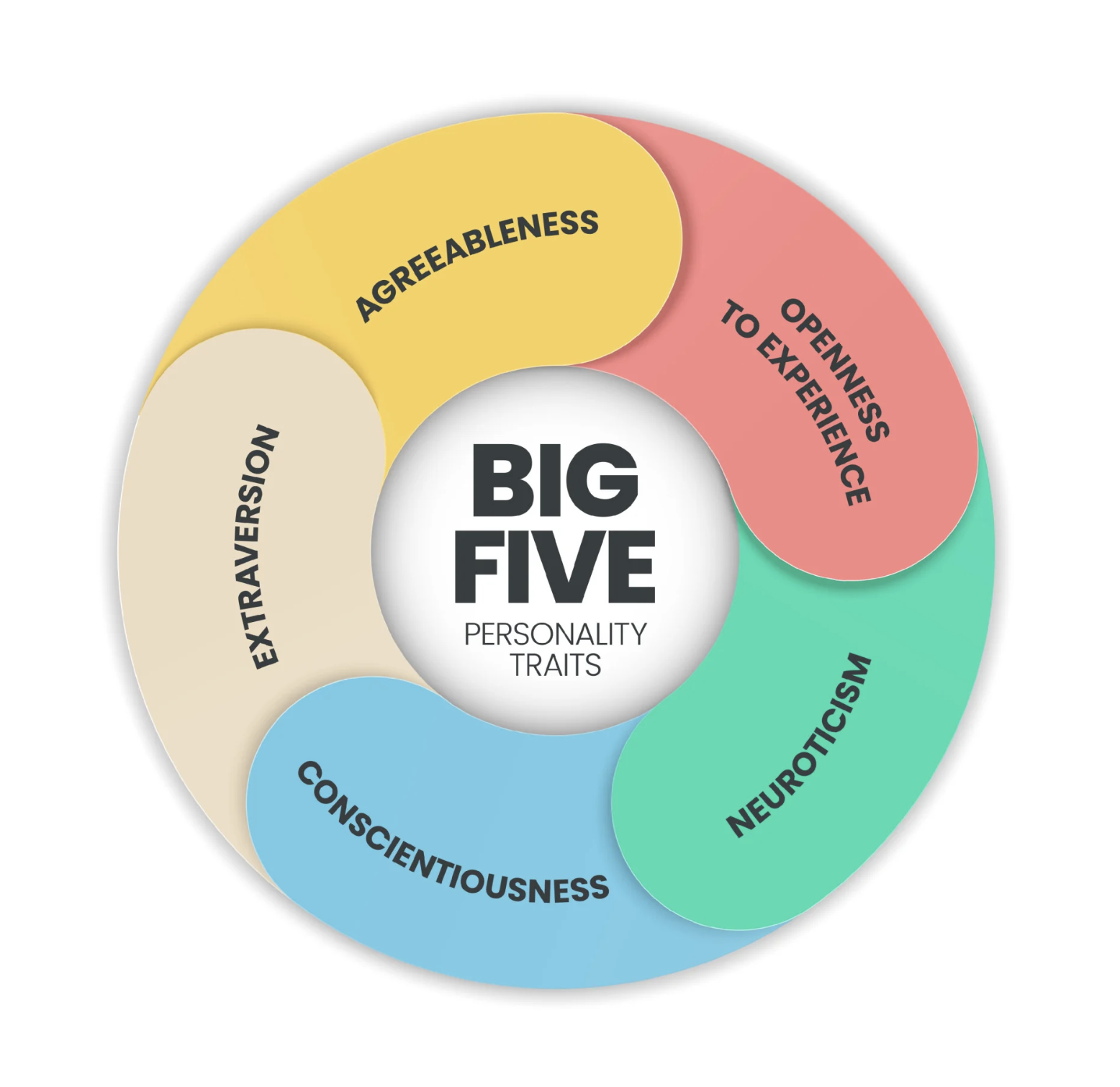
Dive into the Big 5 Personality Traits to gain a better understanding of human personality and individual differences. Discover how characteristics like Openness, Conscientiousness, Extraversion, Agreeableness, and Neuroticism shape who we are and the choices we make in life.

Being "normal" is rare, being "different" is common. We all have different strengths and weaknesses, so we're all best defined by our individuality.

Every time we leave our homes, there is opportunity for social interaction. Studies show even just small "10 second relationships" can boost mental health and positive emotions.

Who are your "role models" in life? Here's why you should make a list of the people you admire and look up to – and how they can fuel inspiration and motivation to achieve your goals.
Goals and Motivation

We are what we repeatedly do. Complete the “Daily Routine” worksheet to map out what a typical day looks like for you. Where is there room for small, positive changes?
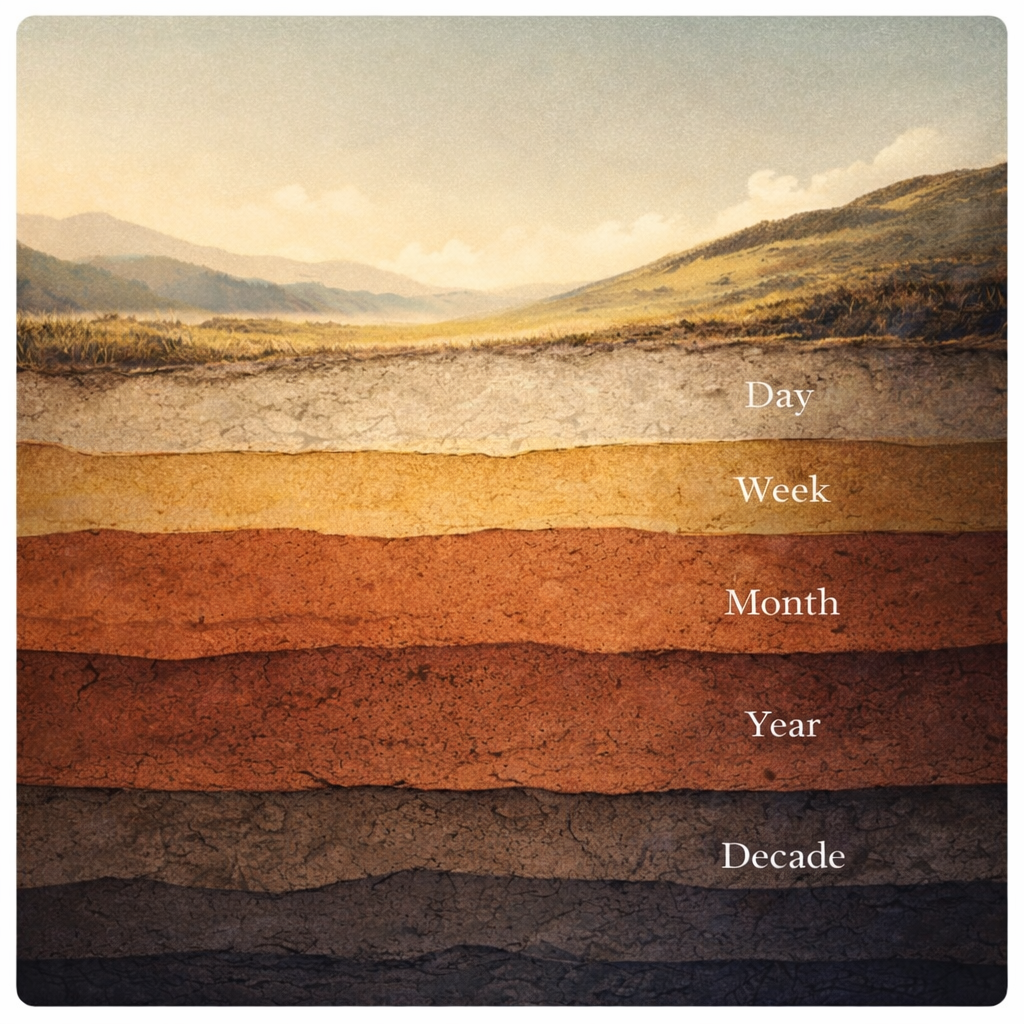
Create a progressive goals timeline and start turning your ideas into action. What would you like to accomplish within the next day, week, month, year, or decade? This worksheet helps you break down your objectives into clear milestones and create a tangible vision for the future.

Give yourself credit. Are you appreciating your small wins? Here's why it's important to find those daily "+1's" to build confidence and self-esteem.

According to a new study, setting goals that are "realistic" and "attainable" is the key to well-being and success. This is consistent with the popular SMART method for goal-setting.

Obstacles can't stop you from moving forward, they just redirect the path you need to take in life. What stands in the way becomes the way.

Flow is a state of consciousness where action and awareness become one. It's when a person is so fully immersed in an activity that they lose their sense of time and self. Mihaly Csikszentmihalyi calls it an "optimal state of experience."

If you can measure it, you can change it. Here's how to quantify your progress in any area of self-improvement

Goals are often temporary, but systems are long-term. If you want to make a sustainable change in your life, you need to approach it as a systematic change.

Reflect on your goals and write them down. Create a progressive timeline for what you want to accomplish within the next day, week, month, year, and decade to get a clearer picture of your future.

Do you have trouble motivating yourself to do something? One technique is to imagine how good it will feel once you actually do it.

We all have responsibilities, obligations, and chores that we don't necessarily like doing, but know we have to do anyway. Here are the top mental strategies for completing these tasks, according to psychologists.
Mindfulness and Meditation
Use this worksheet to meditate on each of your five senses. Take a step back and make note of any stimuli you observe through your vision, hearing, touch, smell, and taste. This is a great exercise to improve mindfulness and non-judgmental awareness.
The "100 Breaths Meditation" is a super easy exercise for improving your focus and attention. No apps required – just you and your breathing.

"Grounding" is a way to anchor yourself to the present moment when you're feeling stressed, anxious, or overwhelmed. Here are 7 effective grounding techniques you can practice to center yourself in any situation.

Here's how to create "compassionate love" for any person through a simple loving-kindness meditation. Buddhism meets neuroscience.
If you want to change your mindset, it's best to start as small as possible. Here are 3 tiny mental habits that I practice every morning – and they take less than two minutes to complete!

Here’s a breakdown of my “Multi-Stage Meditation” practice which combines elements of breathing, mindfulness, visualization, and metta (or “loving-kindness”). Try it out for yourself!

Learn how to increase your capacity to hold attention and cultivate mindfulness. It can improve your everyday skills and make life a richer experience.
Meditation is a type of technology – like a telescope or microscope – in the sense that it improves our scope of observation and extends our awareness toward experiences that we are otherwise unable to detect.
Meditation is simply a practice of developing greater awareness toward our experiences. It can be easy in theory, but difficult in practice. Here are 3 common problems people face when first starting out.
Metacognitive therapy is a new form of therapy that focuses not on how to identify and change thoughts (like traditional cognitive therapies), but instead explores the nature of thought itself.

We all need time in our day to reflect and introspect. What everyday activities put you into a natural state of reflection? How can you make the most out of these activities?
Meaning and Purpose
Discover the essence of what really matters to you with our "Core Values" worksheet, guiding you to unearth, articulate, and harmonize your life with the fundamental principles that resonate at your core.

Do you know where you're going in life? Complete this worksheet to gain a clearer picture of your "future self" and what type of person you want to become later in life – and most importantly, how to get there!
Here's a worksheet with five different creative writing exercises to spark self-reflection, including "Spirit Animal," "Last Day on Earth," "History," and more. Take your time with each one and learn more about yourself.

Finding meaning in your life can come from many different sources, including a sense of belonging, purpose, storytelling, growth, and transcendence.

Often you have to create a space between yourself and your past before you have the opportunity to grow in new ways. Here are useful tips, tools, and techniques for creating more "psychological distance" between you and your past.

If you want to get a more complete picture of where you are in life and where you want to go, it's important you know how to "zoom in" and "zoom out" your perspective. This is a powerful type of reframing.

We all have a "life narrative" that defines how we see ourselves and the meaning behind our lives. How can you change your story through the power of writing?
According to a fascinating new study, having a strong sense of "oneness" with the world around you is positively associated with greater happiness and life satisfaction.

Synchronicity is when two events occur in life that seem special and meaningful, even when there is no apparent causal connection between them. Have you ever experienced it?

What does it mean to start a new chapter in your life? Psychology research shows how using rituals and "symbolic" behaviors can help us get over the past and embrace the future.

Do you believe in God – why or why not? For many, the belief in God can be a powerful source of strength and motivation.

Do you "walk the talk" when it comes to your values? A big part of living a happy and harmonious life is when your actions and values are aligned.
A ritual is any meaningful or symbolic behavior that we believe helps us face a situation or overcome an obstacle. Here's how to use the power of "small rituals" to improve your confidence and motivation.

A 25 question quiz designed to measure your relationship with money and material things. What do you score?

There's no such thing as a life without a little chaos and turbulence. The "Five Whys" exercise is a great tool for recalibrating our values during these difficult times.
What are the key differences between a ritual and a routine? How does one empower us while the other leaves us dull and unsatisfied?

We don't often like to think about death, but doing so can have a transformative effect on our lives. A simple walk through a cemetery can be an eye-opening experience that helps put our lives into perspective and cultivates gratitude.
If you were on your deathbed right now, what would your biggest regrets be? The answer can change the way you decide to live the rest of your life.